From Battle Passes to Billing Cycles: What Enterprise SaaS Can Learn From Gaming's Subscription Revolution
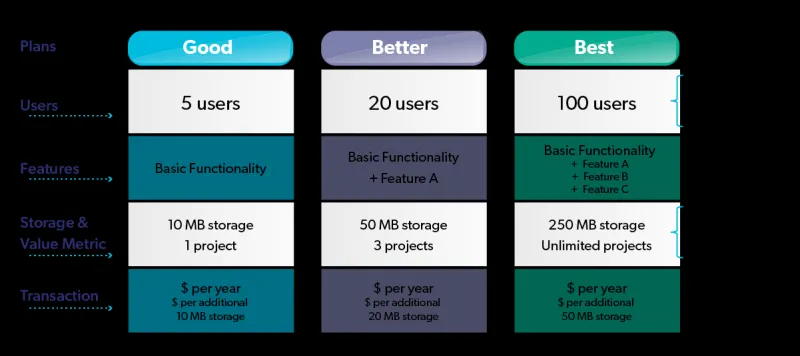
Photo: enterprise software pricing strategy business meeting charts, via cpl.thalesgroup.com
For decades, enterprise software pricing followed a predictable rhythm: annual licenses, seat-based billing, and the occasional professional services upsell. It was functional, if uninspired. Meanwhile, the gaming industry was running a quiet experiment in consumer psychology at enormous scale—and the results have not gone unnoticed in corporate boardrooms.
Forward-thinking SaaS executives are now studying gaming's subscription mechanics with the same seriousness they once reserved for analyst reports. The question driving this interest is straightforward: if gaming companies can retain millions of paying subscribers through engineered engagement and layered value delivery, why can't enterprise software?
The answer, increasingly, is that it can.
The Architecture of Gaming's Subscription Success
To understand what enterprise tech stands to gain, it helps to examine what gaming built. The modern gaming subscription is not a simple monthly fee for access. It is a carefully constructed value ecosystem designed to reward engagement, create perceived scarcity, and make cancellation feel like a genuine loss.
Battle passes—the tiered progression systems popularized by titles like Fortnite and Apex Legends—generate revenue not just through upfront purchase but through the psychological momentum of partial completion. Players who have unlocked 60 percent of a battle pass are statistically far less likely to churn before the season ends. Seasonal content cycles create recurring urgency. Tiered membership structures, from free-to-play access all the way to premium bundles, allow publishers to capture value across wildly different customer segments simultaneously.
These are not gimmicks. They are retention mechanisms backed by behavioral data from hundreds of millions of users, refined over years of A/B testing and engagement analytics.
Where SaaS Pricing Is Falling Short
The contrast with enterprise SaaS is stark. Many B2B software companies still operate on models that prioritize procurement simplicity over customer lifetime value optimization. Flat-rate annual contracts offer predictable revenue but do little to reward power users, re-engage dormant accounts, or create natural expansion pathways.
Churn, when it happens in enterprise SaaS, often comes as a surprise—a contract review meeting where a client has already made up their mind. Gaming companies, by contrast, monitor engagement signals in near real-time and intervene before disengagement becomes cancellation. The infrastructure for this kind of proactive retention is something gaming studios have refined into a competitive advantage.
For enterprise software vendors operating in crowded markets—project management, cybersecurity, cloud infrastructure, HR platforms—the differentiation is no longer purely functional. It is increasingly experiential. And gaming has spent two decades mastering the art of making software feel worth staying in.
Early Adopters and Emerging Case Studies
Some enterprise technology companies have already begun translating these mechanics into B2B contexts with notable results.
Adobe's shift to Creative Cloud introduced a subscription architecture that, while not explicitly modeled on gaming, shares its underlying logic: tiered access, regular feature drops timed to maintain subscriber engagement, and a freemium entry point that funnels users toward paid tiers. The company's annual recurring revenue growth following that transition validated the approach decisively.
More recently, enterprise platforms in the cybersecurity and data analytics sectors have begun experimenting with what internal teams are calling "capability seasons"—structured rollout cycles where new features are bundled and released on a defined schedule rather than pushed out incrementally. The goal is to create anticipation and perceived value accumulation, mirroring the seasonal content drops that keep gaming subscribers engaged quarter over quarter.
Salesforce has explored gamified engagement layers within its CRM ecosystem, rewarding user certifications and platform adoption milestones in ways that echo achievement systems familiar to any gamer. The retention implications for enterprise accounts with deep user bases are significant.
Tiered Access as a Revenue Expansion Tool
Perhaps the most directly transferable concept from gaming to enterprise SaaS is the strategic use of tiered access to capture revenue across different customer segments without cannibalizing existing contracts.
Gaming publishers have mastered the art of the "good, better, best" progression—where each tier delivers enough value to feel legitimate, but premium tiers offer capabilities that power users genuinely want and will pay to access. Applied to enterprise software, this model creates natural upsell pathways embedded in the product experience itself, rather than dependent on a sales team's quarterly push.
For B2B software vendors, this means designing pricing architecture that allows mid-market customers to enter at accessible price points while creating clear, usage-triggered incentives to expand. The expansion revenue that results is stickier than new logo acquisition and far more predictable.
The Partnership Opportunity
For organizations operating at the intersection of gaming and enterprise technology, this pricing evolution represents a concrete partnership opportunity. Gaming studios with mature subscription operations—particularly those with dedicated monetization engineering and player analytics teams—possess institutional knowledge that enterprise SaaS companies are actively seeking.
Engagements between gaming-side monetization strategists and enterprise software product teams are already taking place, though often informally. Formalizing these relationships through structured consulting partnerships, talent-sharing arrangements, or joint product development initiatives could accelerate adoption and create durable value for both sides.
The gaming industry has earned its expertise the hard way, through direct exposure to consumers who can and will cancel with a single tap. That battle-tested discipline around retention, engagement, and value communication is precisely what enterprise SaaS needs as competition intensifies and switching costs erode.
A New Pricing Language for B2B
The monetization revolution gaming launched is not a consumer phenomenon with limited B2B relevance. It is a fundamental rethinking of how software companies build and sustain relationships with the people who pay for their products. Enterprise tech leaders who recognize this—and who actively seek out the gaming industry partners and talent capable of translating it—will hold a structural pricing advantage over those still anchored to legacy licensing logic.
The playbook exists. The question is who picks it up first.