

The psychology behind why we gamble understanding the thrill and risks
The Thrill of Uncertainty
The psychology of gambling is deeply intertwined with the thrill of uncertainty. Every time someone places a bet, they enter a world where the outcome is unpredictable, which can often be compared to rocket league betting sites in their unpredictability. This uncertainty can evoke a rush of adrenaline, igniting feelings of excitement and anticipation. The brain releases dopamine, a neurotransmitter associated with pleasure, which reinforces the behavior and encourages continued participation in gambling activities.
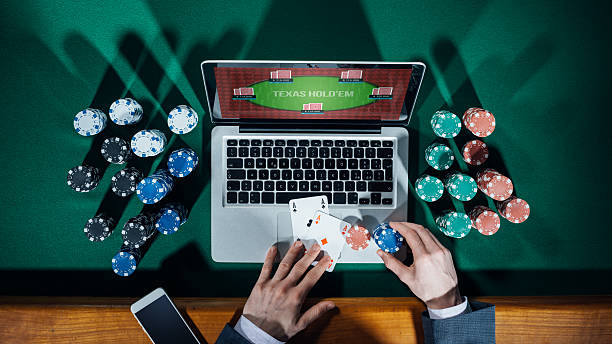
This thrill can often overshadow the inherent risks involved. Many gamblers are drawn to the idea of winning big, which creates a compelling narrative that can be hard to resist. The possibility of an immediate reward, however, can lead to irrational decision-making, as individuals may prioritize short-term gains over long-term consequences. This psychological mechanism makes gambling an enticing yet perilous activity.
The Role of Cognitive Biases
Cognitive biases play a significant role in gambling behavior. One of the most prevalent biases is the illusion of control, where individuals believe they can influence the outcome of games of chance. For example, a player may think that specific strategies can improve their chances of winning at a slot machine, even though these machines operate purely on random number generators. This false sense of agency can lead to overconfidence and increased gambling.
The Social Aspect of Gambling

