Zero-Dollar Entry Points: How Free-to-Play Economics Are Quietly Reshaping Enterprise SaaS Pricing

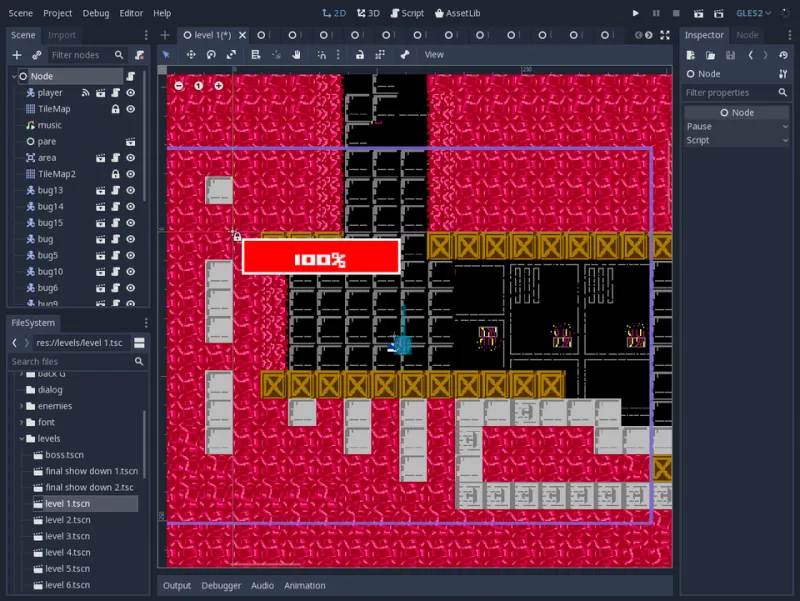
Photo: CEphoto, Uwe Aranas, CC BY-SA 3.0, via Wikimedia Commons
For decades, enterprise software pricing operated on a familiar axis: negotiate a seat license, sign a multi-year contract, and absorb the cost regardless of adoption. That model, long criticized for its rigidity, is now facing a structural challenge from an unexpected direction—the economics of free-to-play gaming.
The mechanics that transformed mobile and PC gaming into a multi-hundred-billion-dollar industry are finding a second life inside corporate software suites. Battle pass structures, cosmetic unlock systems, and progression-gated feature tiers are no longer confined to consumer app stores. They are appearing—sometimes subtly, sometimes explicitly—in the pricing architectures of productivity platforms, collaboration tools, and enterprise data solutions targeting the American business market.
The Architecture of Engagement-Driven Revenue
Free-to-play (F2P) economics were never simply about giving something away. They were about engineering a relationship between a product and its user at zero initial friction, then monetizing that relationship once behavioral investment had been established. The formula relies on three core mechanics: a compelling free tier that delivers genuine utility, a visible progression system that makes paid upgrades feel earned rather than arbitrary, and recurring engagement loops that sustain long-term revenue.
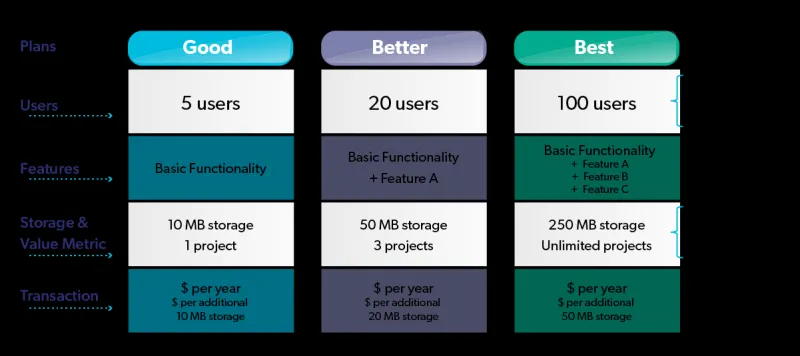
Enterprise SaaS vendors have begun translating each of these components into B2B contexts with notable precision. The freemium model—long a staple of tools like Slack, Zoom, and Notion—was an early approximation. But what is emerging now goes considerably further. Vendors are introducing credit-based consumption models that mirror in-game currency systems, feature unlock milestones tied to usage volume, and seasonal capability releases that echo the limited-time content drops that drive urgency in live-service games.
The analogy is not incidental. Several SaaS product teams have openly recruited gaming economists and monetization designers to inform their pricing strategy, recognizing that the behavioral science underlying player spending translates directly to buyer psychology in corporate procurement contexts.
Conversion Rates and the Psychology of the Upgrade Path
The business case for F2P-influenced pricing in enterprise software is grounded in measurable outcomes. Traditional enterprise sales cycles are expensive, slow, and heavily dependent on relationship capital that smaller vendors struggle to accumulate. A well-designed free tier eliminates the cold-start problem—users adopt the product organically, develop workflow dependencies, and arrive at the upgrade conversation already invested.
This mirrors precisely how successful F2P titles convert casual players into paying customers. The critical insight from gaming is that the decision to pay is not made at the point of sale—it is made incrementally, through dozens of micro-interactions that build perceived value before a dollar is exchanged.
For enterprise platforms, the downstream data supports this approach. Organizations that have restructured pricing around usage-based free entry points are reporting shorter time-to-conversion cycles and higher net revenue retention compared to traditional seat-license cohorts. When a team of five adopts a free tier and organically expands to a department of fifty, the expansion revenue arrives without a formal sales motion—a dynamic that gaming companies have optimized for years under the label of "whale conversion."
Where Gaming Economists and SaaS Executives Diverge
The cross-pollination is not without tension. Gaming monetization operates in a consumer context where individual spending decisions carry relatively low organizational stakes. Enterprise procurement, by contrast, involves compliance review, budget cycles, and stakeholder approval chains that are fundamentally incompatible with impulse-driven spending mechanics.
SaaS executives who have explored F2P-adjacent models acknowledge that the psychological levers must be calibrated differently. Artificial scarcity, countdown timers, and FOMO-driven upgrade prompts—staples of mobile game monetization—tend to generate procurement resistance and damage vendor credibility in B2B environments. The enterprise buyer is not a solo consumer; they are a committee, and committees are resistant to urgency tactics that feel manipulative.
The more durable adaptations borrow from F2P's structural logic rather than its psychological pressure tactics. Transparent progression systems that show organizations exactly what capabilities they are unlocking—and why—tend to perform well. Consumption-based pricing that scales naturally with organizational growth mirrors the spend curves of engaged gaming communities without triggering procurement red flags.
Ethical Dimensions in B2B Monetization Design
The ethical conversation around F2P mechanics in enterprise software is still early-stage but increasingly relevant. Consumer advocacy groups have spent years scrutinizing loot box mechanics and predatory monetization in gaming. As those same design principles migrate into corporate software, questions about transparency, consent, and fairness are beginning to surface in procurement and legal circles.
Several US-based enterprise technology associations have begun developing informal guidelines around what constitutes acceptable engagement-driven pricing versus manipulative monetization architecture. The distinction, most practitioners agree, centers on reversibility and transparency: pricing models that clearly communicate cost implications at every tier, and that allow organizations to downgrade or exit without punitive friction, are broadly considered acceptable. Models that obscure total cost of ownership through complexity, or that use behavioral data to dynamically adjust pricing without disclosure, are drawing increasing scrutiny.
For gaming and enterprise tech organizations exploring partnership opportunities in this space, the ethical dimension is not merely a compliance consideration—it is a brand equity question. Vendors that establish reputations for transparent, value-aligned monetization will find themselves better positioned as procurement teams grow more sophisticated about engagement-driven pricing models.
Structural Partnership Opportunities at the Intersection
For the organizations that GG Partners Consortium serves—gaming studios, esports entities, enterprise technology firms, and the investors and advisors who connect them—the convergence of F2P economics and SaaS pricing represents a concrete collaboration opportunity.
Gaming studios with mature live-service monetization teams possess institutional knowledge that enterprise software vendors are actively seeking. Monetization designers, behavioral economists, and player retention specialists who have spent careers optimizing spending curves in competitive gaming markets carry directly transferable expertise into B2B product pricing strategy.
Conversely, enterprise SaaS vendors offer gaming organizations a pathway into recurring B2B revenue models that are less dependent on volatile consumer spending cycles. Joint ventures, consulting arrangements, and talent-sharing frameworks are already emerging between these sectors, and the deal flow is accelerating.
The organizations best positioned to capitalize on this convergence are those willing to move beyond surface-level analogies and engage seriously with the underlying behavioral architecture that makes both F2P gaming and modern SaaS pricing function. That requires cross-industry dialogue—precisely the kind of structured exchange that a platform connecting gaming and enterprise technology leaders is built to facilitate.
The Road Ahead
Free-to-play economics did not emerge fully formed. They were refined through years of experimentation, failure, player backlash, and regulatory pressure before stabilizing into the sophisticated systems that power today's largest gaming franchises. Enterprise SaaS is at an earlier point in that same arc.
The vendors who approach this transition thoughtfully—borrowing the structural intelligence of F2P design while respecting the distinct behavioral and institutional context of corporate procurement—will define the next generation of enterprise software pricing. Those who import the mechanics without understanding the underlying logic risk the same fate as the mobile titles that burned player trust with aggressive monetization: short-term revenue gains followed by accelerated churn.
The playbook exists. The question is whether enterprise software is ready to read it carefully.